
Preparedness becomes much easier when the right first aid kit is selected for the intended situation. While many kits share common medical supplies, different kit types are designed for different levels of care. Understanding their purpose helps users respond more confidently during unexpected events.
Basic First Aid Kits
Basic first aid kits are designed for everyday use and minor injuries. These kits are lightweight, easy to carry, and suitable for homes, vehicles, schools, and outdoor activities.
Common Features
- Adhesive bandages in various sizes
- Antiseptic wipes and cleansing pads
- Gauze pads and adhesive tape
- Small scissors and tweezers
- Disposable gloves
- Pain relief tablets
- Burn cream and cold packs
Best Situations for Use
Basic kits work well for handling:
- Small cuts and scrapes
- Mild burns
- Minor sprains
- Headaches and body aches
- Insect bites
- Simple wound cleaning
These kits are excellent for quick treatment before professional care becomes necessary.
Advanced Trauma Kits
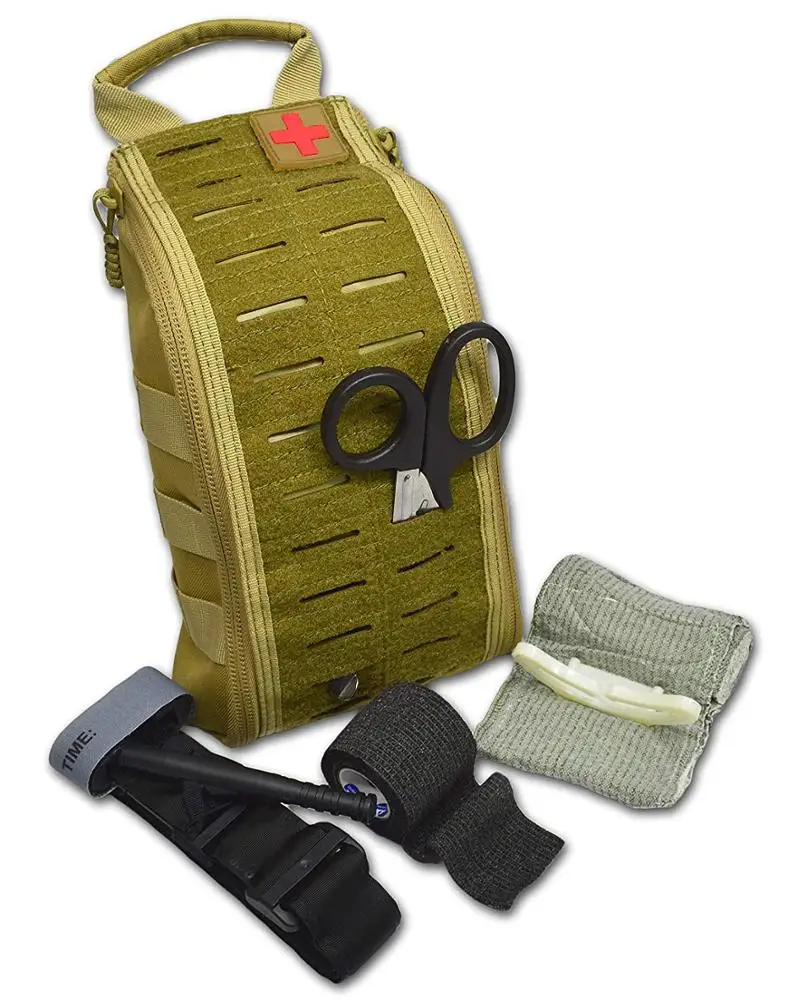
Advanced trauma kits are built for more serious emergencies where rapid medical response is important. They contain specialized afak vs ifak tools intended to control severe injuries and stabilize a person until additional help arrives.
Common Features
- Tourniquets for heavy bleeding control
- Compression bandages
- Chest seals
- Trauma shears
- Emergency blankets
- Airway support tools
- Larger sterile dressings
Best Situations for Use
Trauma kits are commonly useful during:
- Deep wounds
- Severe bleeding incidents
- Major accidents
- Outdoor adventure emergencies
- High-risk work environments
- Disaster preparedness situations
These kits are usually more durable and organized for faster access during stressful moments.
Main Differences between the Two Kit Types
Although both kits focus on safety and emergency response, several important differences separate them.
Purpose and Level of Care
- Basic kits focus on minor injury management.
- Trauma kits support more critical emergency care.
Size and Equipment
- Basic kits are compact and simple.
- Trauma kits contain larger and more advanced medical supplies.
Training Requirements
- Basic kits are easy for most people to use.
- Trauma kits may require additional knowledge for proper use.
Storage Design
- Everyday kits are often stored in drawers, backpacks, or vehicles.
- Trauma kits usually feature organized compartments for quick response access.
Choosing the Right Option
Selecting the ideal kit depends on lifestyle, environment, and preparedness goals.
A Basic Kit May Be Ideal If You:
- Need supplies for family use
- Want simple treatment tools
- Travel frequently
- Participate in light outdoor activities
- Prefer compact emergency storage
A Trauma Kit May Be Better If You:
- Work in physically demanding environments
- Spend time in remote locations
- Participate in adventure activities
- Want additional emergency readiness
- Need support for larger groups
Why Many People Keep Both
Many individuals choose to keep both kit types available because each serves a valuable role. A smaller everyday kit handles routine injuries, while an advanced trauma kit provides added preparedness for unexpected situations.
Helpful Preparedness Tips
- Check supplies regularly
- Replace expired items promptly
- Store kits in accessible locations
- Keep supplies organized
- Learn basic emergency response skills
Understanding the difference between these two first aid kit types allows people to make smarter preparedness decisions. With the proper supplies available, responding to emergencies becomes more organized, effective, and reassuring for everyone involved.