
Relay testing is an essential skill for anyone working with electrical systems, helping ensure safe and reliable circuit operation. A relay functions as an electrically controlled switch used to manage high power circuits using low power signals. For beginners learning proper testing methods is important for preventing system failures and improving troubleshooting speed. This guide provides a clear breakdown of relay testing procedures designed to help identify faults quickly and accurately while maintaining safety and efficiency in everyday electrical work. It also builds confidence by simplifying each step into easy to follow actions that can be applied in practical situations ensuring long term reliability of equipment.
Understanding Relay Basics
A relay consists of a coil contacts and a switching mechanism When voltage is applied to the coil it generates a magnetic field that triggers mechanical movement to open or close circuits. This allows control of high voltage devices using low voltage signals improving system efficiency and safety. Relays are widely used in automation automotive and industrial applications. Understanding their structure helps beginners identify issues such as coil damage contact wear or wiring faults early making troubleshooting more effective and reducing downtime in electrical systems.
Essential Tools for Testing
Before starting relay testing it is important to prepare basic tools that ensure accuracy and safety. A digital multimeter helps measure resistance continuity and voltage levels. A stable power source is needed for coil activation. Connecting wires allow safe circuit handling. Safety gloves and insulated equipment reduce risk during testing. Proper tools make the process efficient and help beginners achieve reliable results.
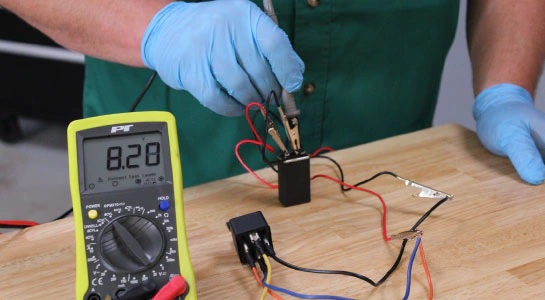
Step-by-Step Relay Testing Procedure
Testing a relay involves a structured process that ensures accurate diagnosis of faults in electrical systems.
- Visual Inspection: Begin by examining the relay for visible damage such as burns cracks or loose terminals.
- Coil Resistance Test: Use a multimeter to measure resistance across coil terminals compare readings with expected values to confirm coil health.
- Activation Test: Apply rated voltage to the coil listen for a clear clicking sound indicating proper mechanical switching.
- Continuity Check: Test both normally open and normally closed contacts to ensure proper electrical flow when activated.
- Load Test: Connect a small electrical load to verify relay performance under real working conditions ensuring reliability.
Safety and Best Practices
Always disconnect power before handling any relay to prevent electric shock. Avoid touching exposed wires during testing. Work in dry and clean environments for maximum safety. Double check connections before applying voltage. Use protective gloves and insulated tools to reduce risk. Following these precautions ensures safe and reliable testing results. Professionals rely on how to check a relay for system checks.
Conclusion
Relay testing is a simple yet essential skill that improves electrical system reliability. By following structured steps beginners can easily detect faults and ensure smooth operation. Understanding coil behavior contact condition and load performance helps in accurate troubleshooting. Regular testing reduces downtime increases safety and enhances overall efficiency in electrical applications making it a valuable skill for long term use. Proper testing practices also extend equipment lifespan and reduce maintenance costs significantly.